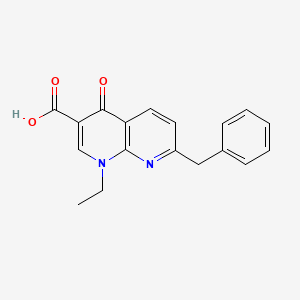
Amfonelic Acid – (15180-02-6)
Amfonelic acid (AFA; WIN 25,978) is a research chemical and dopaminergic stimulant with antibiotic properties. It is primarily used in scientific research due to its potent and selective dopamine reuptake inhibition.
Discovered during research on the antibiotic nalidixic acid, AFA was found to have stimulant effects on the central nervous system. It has a higher potency and therapeutic index than cocaine or amphetamine. Limited clinical trials in the 1970s were discontinued after AFA exacerbated psychotic symptoms in schizophrenic patients and caused undesirable stimulant effects in geriatric depressives.
AFA remains a pharmacological tool for studying the brain’s reward system, dopamine pathways, and the dopamine transporter. AFA has a moderately long half-life of approximately 12 hours and displays neuroprotective effects against methamphetamine-induced dopamine neuron damage.
It shows no activity in the norepinephrine system but increases the effects of certain antipsychotic drugs. AFA’s antimicrobial activity is limited, with higher toxicity to mammalian cells compared to other 4-quinolones.
The above information is displayed for information purpose only, and has not been reviewed by EON nor does EON attests or validates the accuracy nor does it constitutes a recommendation or validation.
https://en.wikipedia.org/wiki/Amfonelic_acid
| Other Names | Amfonelinsaeure |
|---|---|
| IUPAC Name | 7-benzyl-1-ethyl-4-oxo-1, 8-naphthyridine-3-carboxylic acid |
| CAS | 15180-02-6 |
| Molecular Weight | 308.3 |
| Molecular Formula | C18H16N2O3 |
| SMILES | CCN1C=C(C(=O)C2=C1N=C(C=C2)CC3=CC=CC=C3)C(=O)O |
Related products