
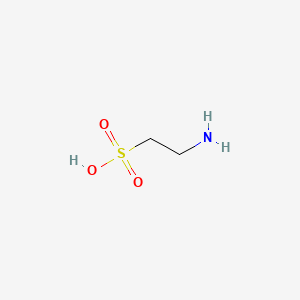
Taurine – (107-35-7)
Taurine, a sulfur-containing amino acid, is a naturally occurring compound found in high concentrations in the brain, heart, muscles, and retina. It plays a crucial role in several biological processes, including bile acid conjugation, osmoregulation, and modulation of intracellular calcium levels. Taurine is not incorporated into proteins but exists in its free form within tissues.
The body can synthesize taurine from the amino acids cysteine and methionine, primarily in the liver. However, dietary sources, such as meat, fish, and dairy products, are also significant contributors to taurine levels in the body. While taurine deficiency is rare in healthy adults, newborns and infants rely on taurine from breast milk or supplemented formula, as their ability to synthesize it is limited.
Research suggests that taurine may improve athletic performance by increasing oxygen uptake, delaying fatigue, and aiding in recovery. Additionally, taurine has been studied for its potential health benefits, including its role in managing diabetes, improving heart health, and offering neuroprotective effects.
The above information is displayed for information purpose only, and has not been reviewed by EON nor does EON attests or validates the accuracy nor does it constitutes a recommendation or validation.
https://en.wikipedia.org/wiki/Taurine
| Other Names | Tauphon |
|---|---|
| IUPAC Name | 2-aminoethanesulfonic acid |
| CAS | 107-35-7 |
| Molecular Weight | 125.15 |
| Molecular Formula | C2H7NO3S |
| SMILES | C(CS(=O)(=O)O)N |
Related products


